The Smell That Got Me
I was folding laundry when the smell hit me. That warm, buttery, almost floral scent from the bakery down the street. I hadn't had Taiwanese castella cake in years. Not since my aunt used to bring it home from the Asian market in a white cardboard box.
The first time I tried making it, the cake deflated in the middle. Looked like a sad, flat pancake. My husband ate it anyway. Said it tasted fine. It did not taste fine.
But I kept trying. Because that texture—that bouncy, cloud-like, barely-there crumb—is worth the fight.
What Makes This One Different
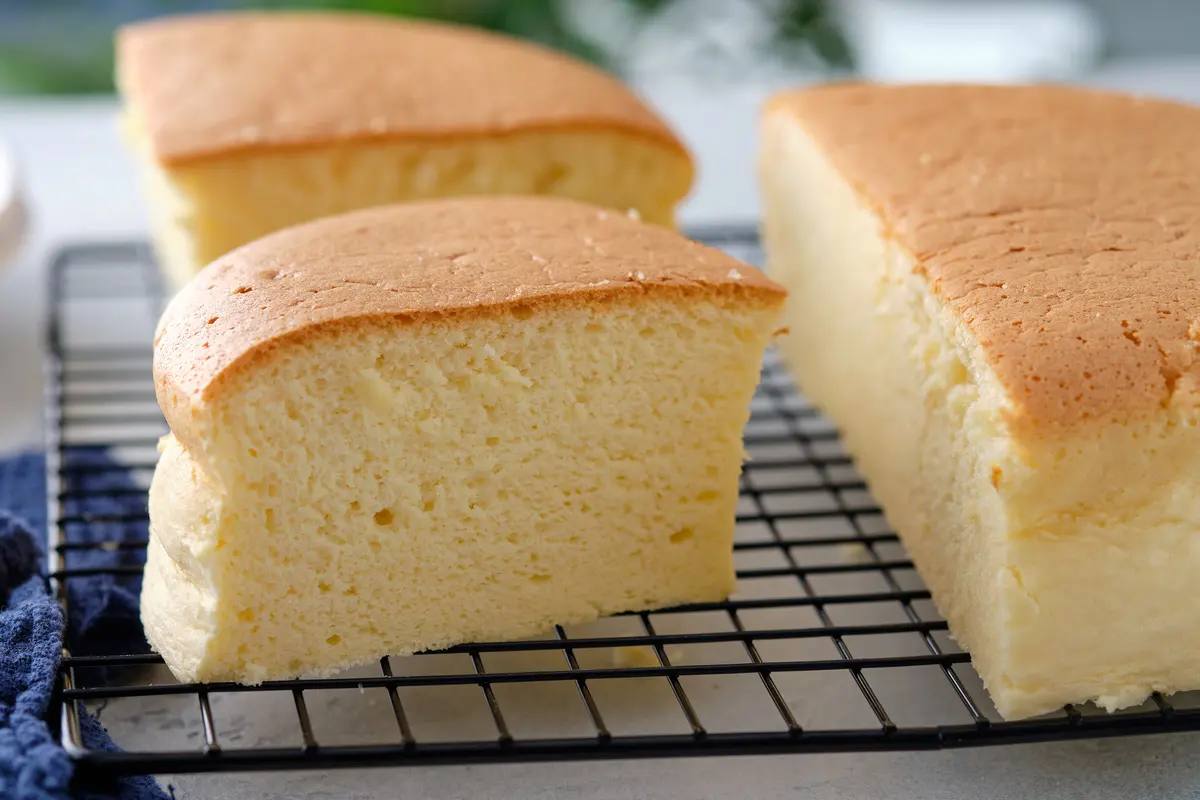
Taiwanese castella cake is not your average sponge. It's denser. More tender. Almost feels wet when you cut into it. The honey butter glaze on top is not traditional, but I started adding it because the cake alone felt too plain.
Now I cannot imagine it without the glaze.
The honey soaks in just a little. The butter keeps it shiny. Together, they make the cake taste like something special, even though it's just flour, eggs, sugar, oil.
Honestly, the list of ingredients is boring. Six things. That's it. But how you treat them makes all the difference.
A Few Notes
Eggs — You need large ones. Room temperature. I always forget to set them out ahead of time, so I put them in a bowl of warm water for ten minutes. Works fine.
Cake flour — Do not use all-purpose. The lower protein content is what gives the cake its tender crumb. If you only have all-purpose, replace two tablespoons with cornstarch and sift three times.
Oil — Vegetable, canola, grapeseed. Something neutral. No olive oil here. The flavor will take over.
Honey — For the glaze, use something mild. Clover honey or orange blossom. Skip the dark buckwheat stuff unless you want a very specific, almost bitter taste.
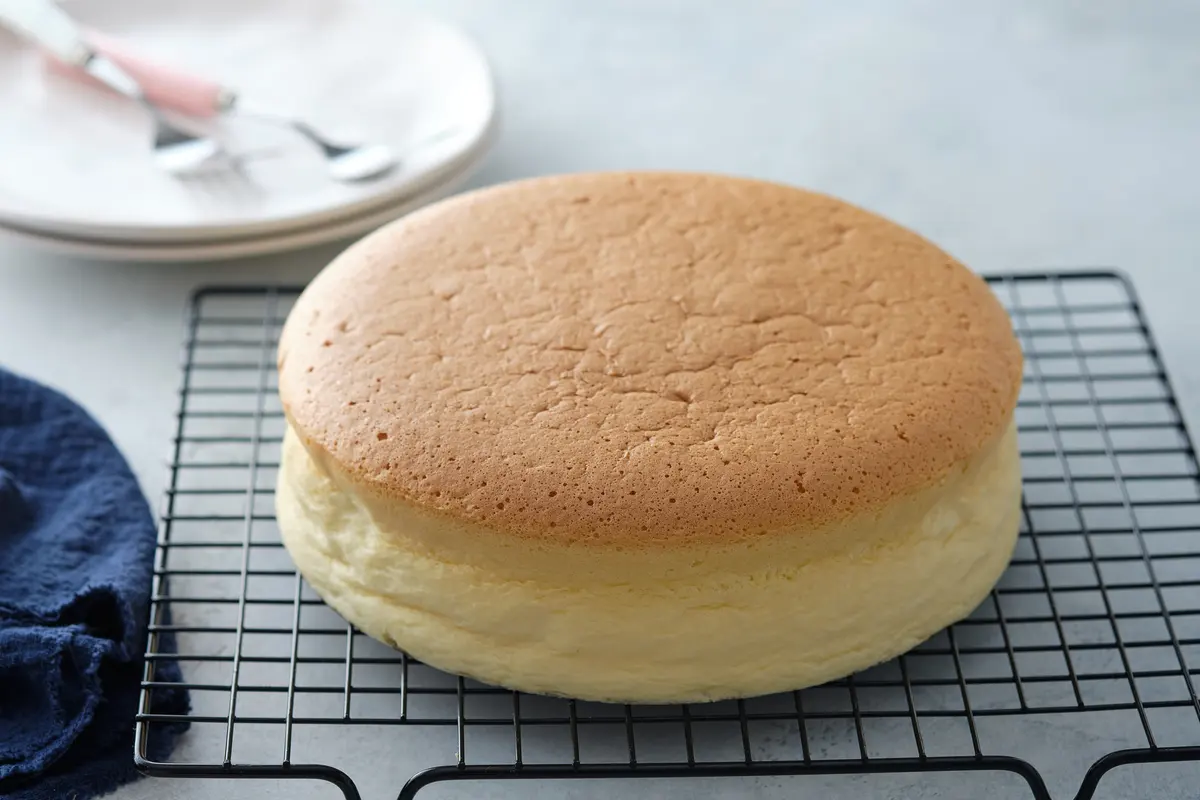
Putting It Together
Start by separating the eggs while they are cold. It is easier. Then let the yolks and whites come to room temperature separately. I put the bowl of whites on the counter and the yolks in a smaller bowl right next to it.
Mix the oil, milk, and vanilla first. They need to emulsify. Whisk until the mixture looks like a single thing. Not separated. Then sift the cake flour twice—yes, twice—and stir it in. The batter will be thick. That is fine.
Add the yolks one at a time. Each one disappears into the batter. Whisk until smooth. No streaks of yolk.
Now the meringue. This is where things get tricky.
Beat the egg whites with cream of tartar and salt until they are foamy. Bubbles. Then add the six tablespoons of sugar slowly. A spoonful at a time. Keep beating until you get stiff peaks. But not too stiff. If the peaks look dry or cracked, you have gone too far.
My first time, I whipped the whites until they were almost dry. The cake was dense and tough. My daughter said it tasted like a shoe. She was not wrong.
Fold the meringue into the batter gently. One-third first. Then the rest in two batches. Use a rubber spatula. Cut through the center, scrape the bottom, turn the bowl. Do not stir. You want to keep as much air as possible.
The batter should look like a thick ribbon when you lift the spatula. Smooth. Shiny. No white streaks.
The Water Bath Matters
This is the one thing that makes castella cake work. The water bath. The steam keeps the oven moist. The cake rises slowly. The top does not crack.
I use an 8-inch square pan. Line it with parchment paper so the paper comes up the sides. Wrap the outside of the pan with foil. Two layers. You do not want water leaking in.
Pour hot water into the larger pan until it comes halfway up the sides of the cake pan. Be careful when you slide it into the oven. I have sloshed water onto the cake batter more than once. It is annoying. But the cake still bakes fine if you wipe the top quickly.
What Can Go Wrong
The cake deflates after baking. This happens when the structure is not set enough. Usually from underbaking or opening the oven door too often.
Do not open the oven for the first 35 minutes. Trust the process. Then check with a toothpick. If it comes out clean, it is done. If not, give it five more minutes. But do not leave it in too long or the top will get dark.
If the cake collapses anyway, do not panic. It still tastes good. You just will not get those perfect square slices for photos. My second cake looked like a sad little block. I ate it over the sink while standing up. No regrets.
The Glaze That Stole the Show
I started adding the honey butter glaze because the cake alone felt too plain for company. Now I cannot serve it without the glaze. My family complains if I skip it.
The glaze is simple. Melt butter and honey together. Equal parts. About two tablespoons each. Pour it over the top while the cake is still warm. The heat lets the glaze soak in just a little. Then let the cake cool completely before slicing.
If you glaze it too early, the top will be soggy. If you wait too long, the glaze sits on top in a thick layer. Neither is ideal. The sweet spot is when the cake is warm but not hot. About five minutes after it comes out of the pan.
One time I forgot to add the vanilla to the glaze. It still tasted fine. So do not stress about it.
How to Serve It
Slice it into squares. The edges are the best part. Crisp from the pan. Soft in the middle.
Serve it at room temperature. Or slightly warm. I have kept leftovers in the fridge and eaten them cold. The texture gets a little denser, but the honey flavor comes through more.
It goes well with tea. Black tea. Green tea. Whatever you have. The sweetness of the glaze balances the bitterness of the tea. My daughter likes it with a glass of cold milk. She dips the cake in the milk like it is a cookie. I pretend not to notice.
For company, I sometimes dust the top with a little powdered sugar before serving. It makes the slices look fancy. But honestly, the glaze alone does the job.
The Quiet Truth
This cake is not difficult. It just takes attention. The water bath. The gentle folding. The patience to let it bake without peeking. If you rush, it shows. But if you take your time, the cake rewards you with something that feels almost too soft to be real.
I have made this cake ten times now. Maybe more. The first few were ugly. The last few have been beautiful. But even the ugly ones got eaten. By me. By my family. Standing at the counter. Over the sink. Happy.
That is the only test that matters.
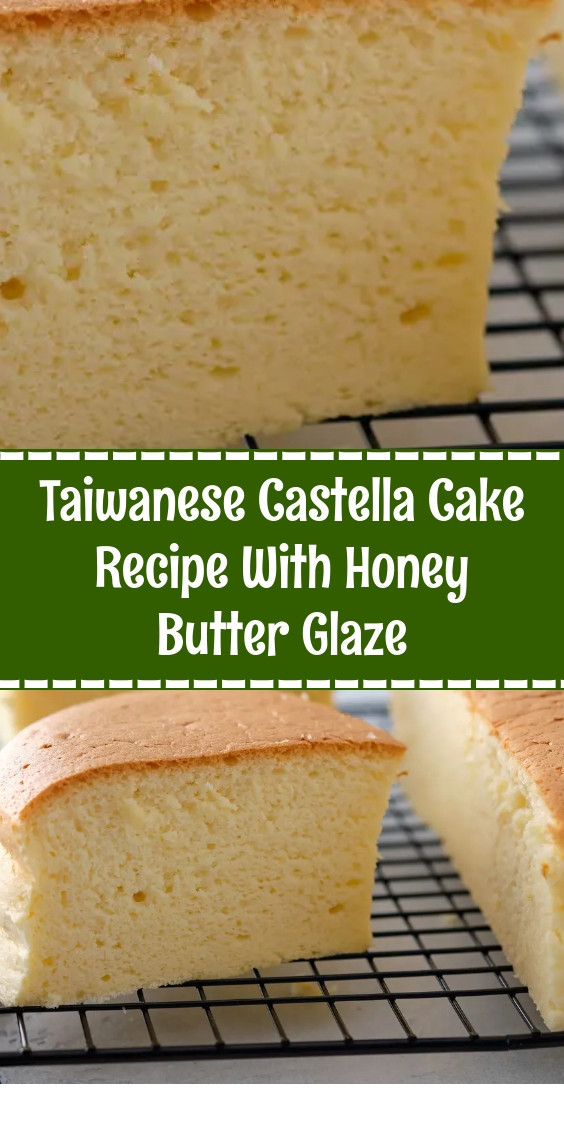
Taiwanese Castella Cake Recipe With Honey Butter Glaze
Ingredients
- 6 large eggs, separated
- 100g cake flour
- 80ml vegetable oil
- 60ml milk
- 1 teaspoon vanilla extract
- 5 tablespoons granulated sugar (for yolks)
- 6 tablespoons granulated sugar (for whites)
- 1/4 teaspoon cream of tartar
- 1/4 teaspoon salt
Instructions
- 1Preheat oven to 320°F (160°C). Line an 8-inch square baking pan with parchment paper.
- 2Mix vegetable oil, milk, and vanilla extract in a bowl until combined.
- 3Sift cake flour twice and whisk into the oil mixture until smooth.
- 4Add egg yolks one at a time to flour mixture, whisking well after each addition.
- 5In a separate clean bowl, beat egg whites with cream of tartar and salt until foamy.
- 6Gradually add 6 tablespoons sugar to egg whites while beating until stiff peaks form.
- 7Gently fold one-third of meringue into yolk mixture, then fold in remaining meringue in two batches.
- 8Pour batter into prepared pan and smooth the surface.
- 9Place pan in a larger water bath (bain-marie) with hot water halfway up the sides.
- 10Bake for 45-50 minutes until a toothpick inserted in center comes out clean.
- 11Cool in pan for 10 minutes, then turn out onto wire rack to cool completely.
- 12Slice and serve at room temperature or chilled.